CPWD & PWD Registered Government Contractor
Building India's future with quality, precision & integrity.
Trusted government contractor delivering CPWD, PWD, and public infrastructure projects across India. From buildings to roads, horticulture to traffic safety — we execute with discipline, engineering expertise, and on-ground experience.
- G20 Summit 2023
- Republic Day 2022
- Pan-India Execution

Trusted by government departments & institutions
- CPWD
- PWD Delhi
- AIIMS
- NCERT
- IGNOU
- CRPF
- Indian Air Force
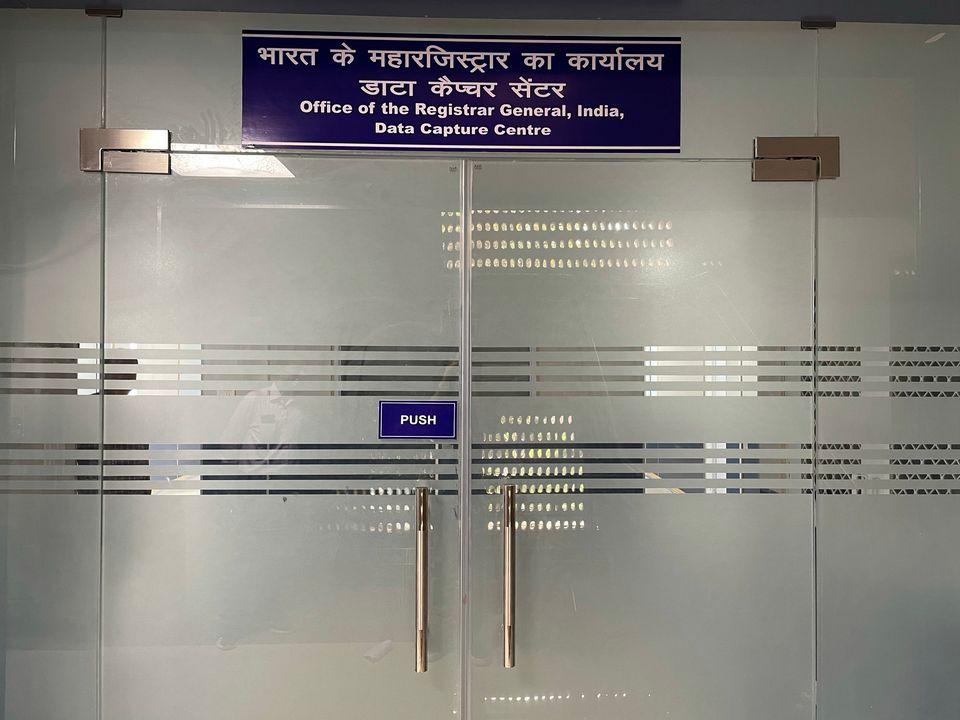
- Registrar General of India
- Ministry of Food Processing Industries
Why choose us
A contractor government clients can rely on.
Government-approved contractor
Experienced in CPWD, PWD, and major public sector projects.
Proven track record
Delivered high-impact works including the G20 Summit 2023.
Quality & compliance focused
Every project follows strict engineering, safety, and government standards.
On-time delivery
Disciplined planning and execution that respects every government timeline.
At a glance
Delivering public infrastructure across Delhi & NCR
Across Delhi & NCR
Buildings to traffic safety
G20 Summit 2023 & Republic Day 2022
Government standards on every job
What we do
Comprehensive civil infrastructure services
With expertise across CPWD, PWD, and public sector projects, we combine engineering excellence with disciplined execution.
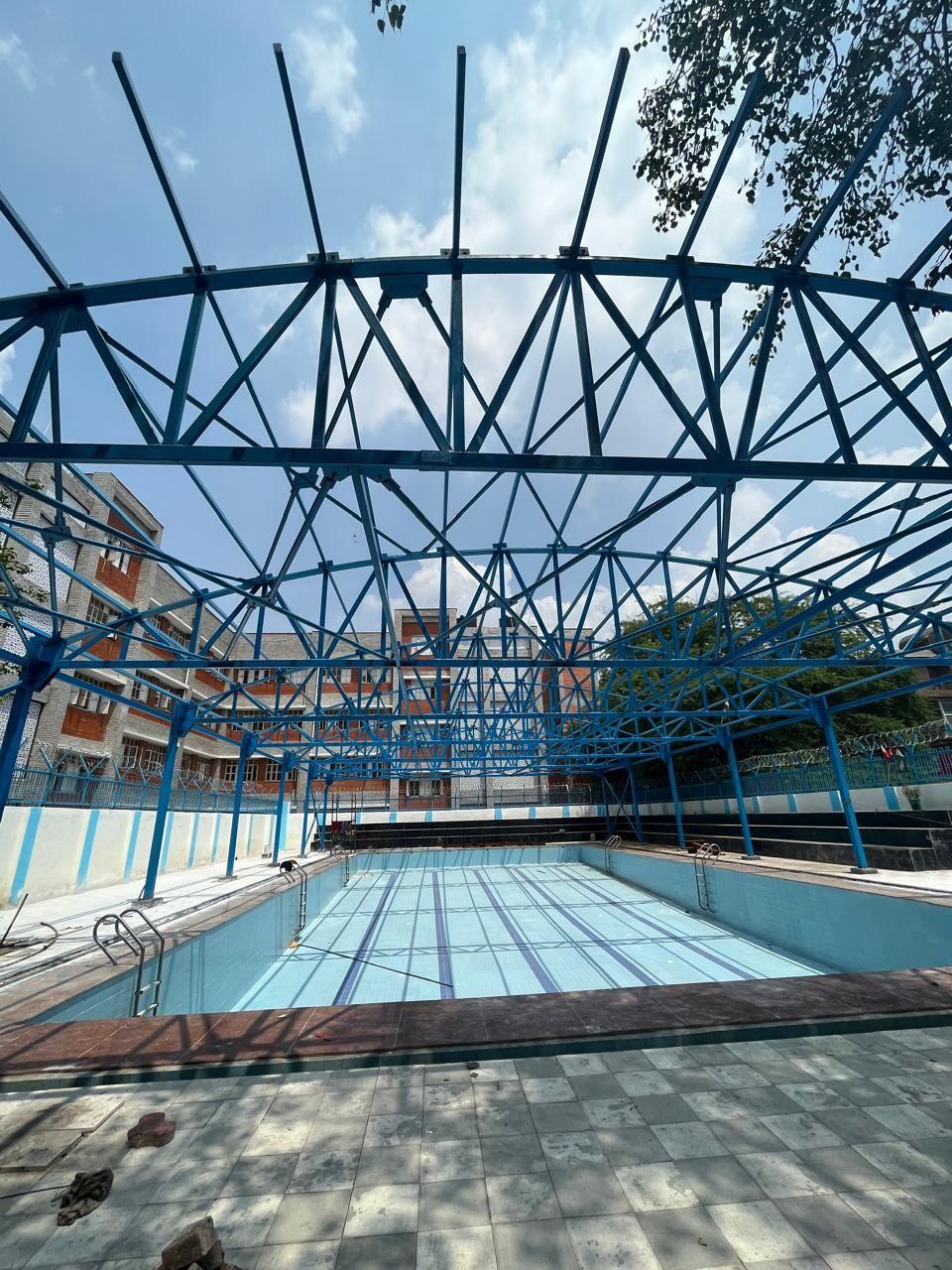
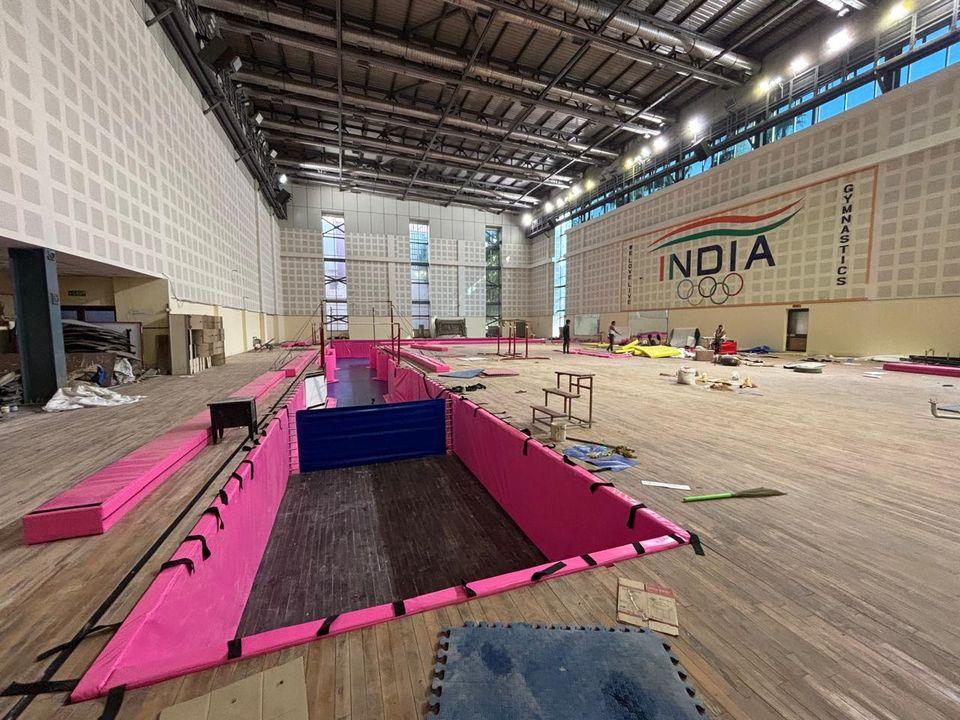
Work in progress
Currently on site
We are actively executing multiple government infrastructure projects across Delhi and NCR.
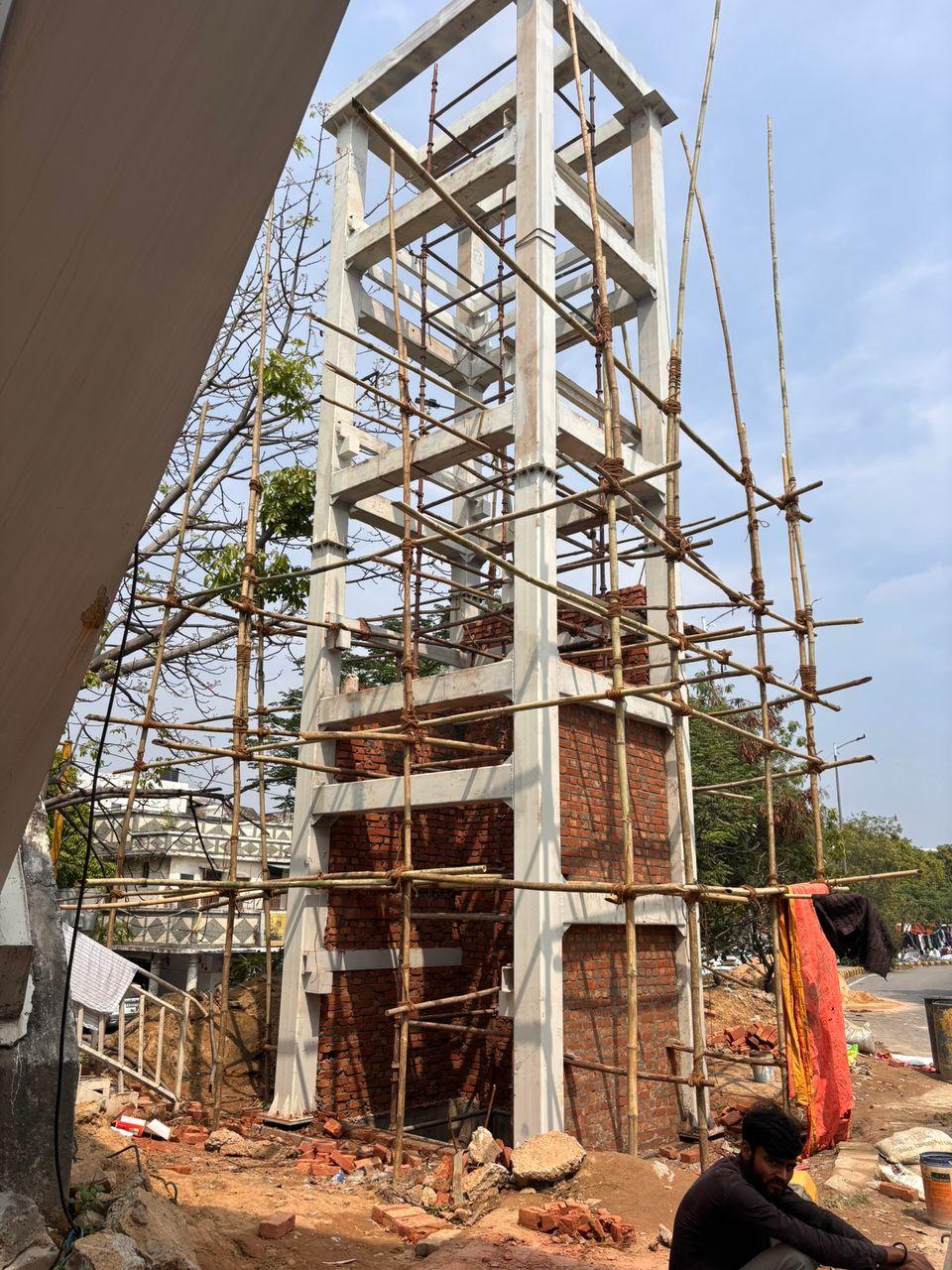
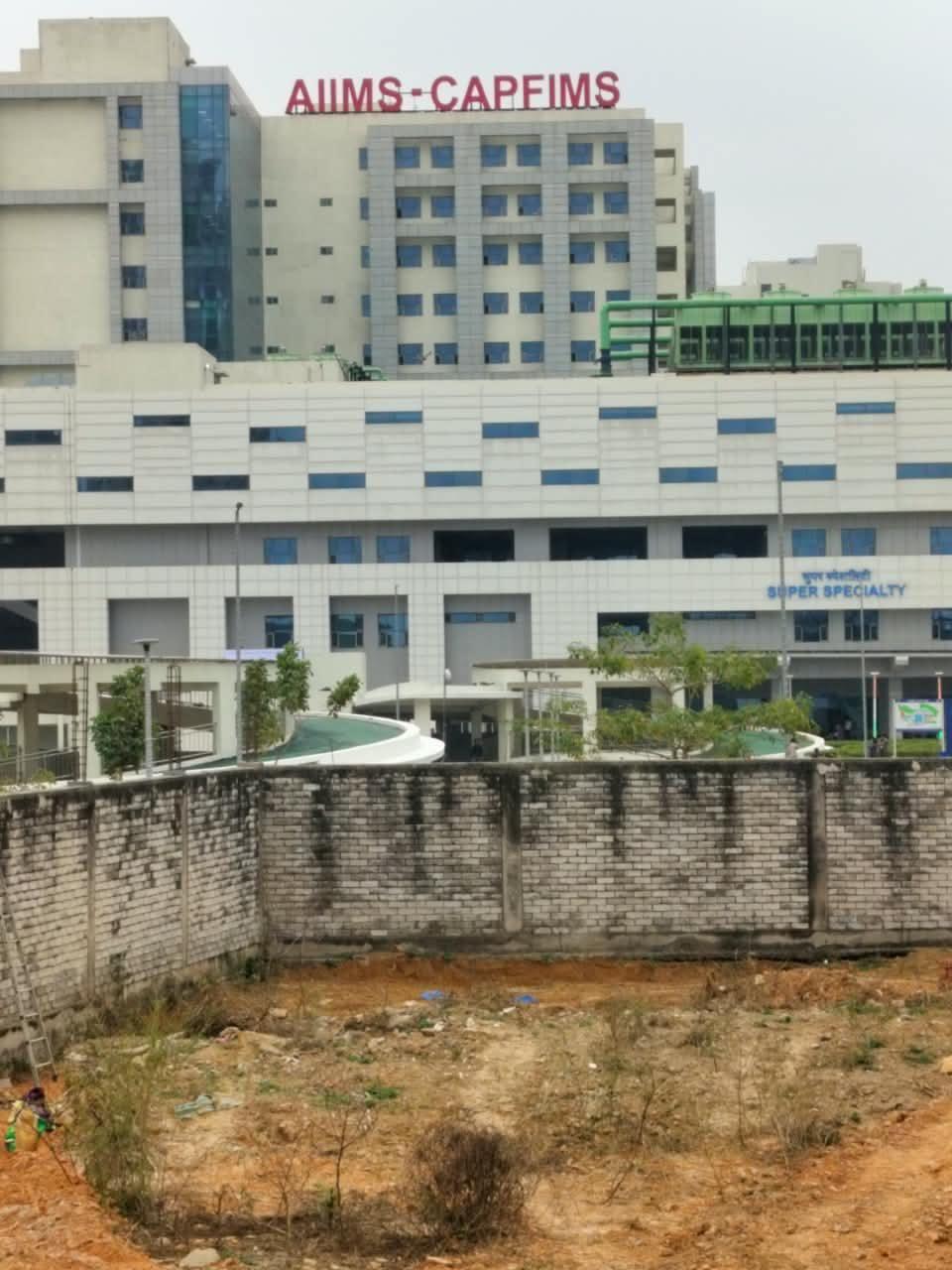
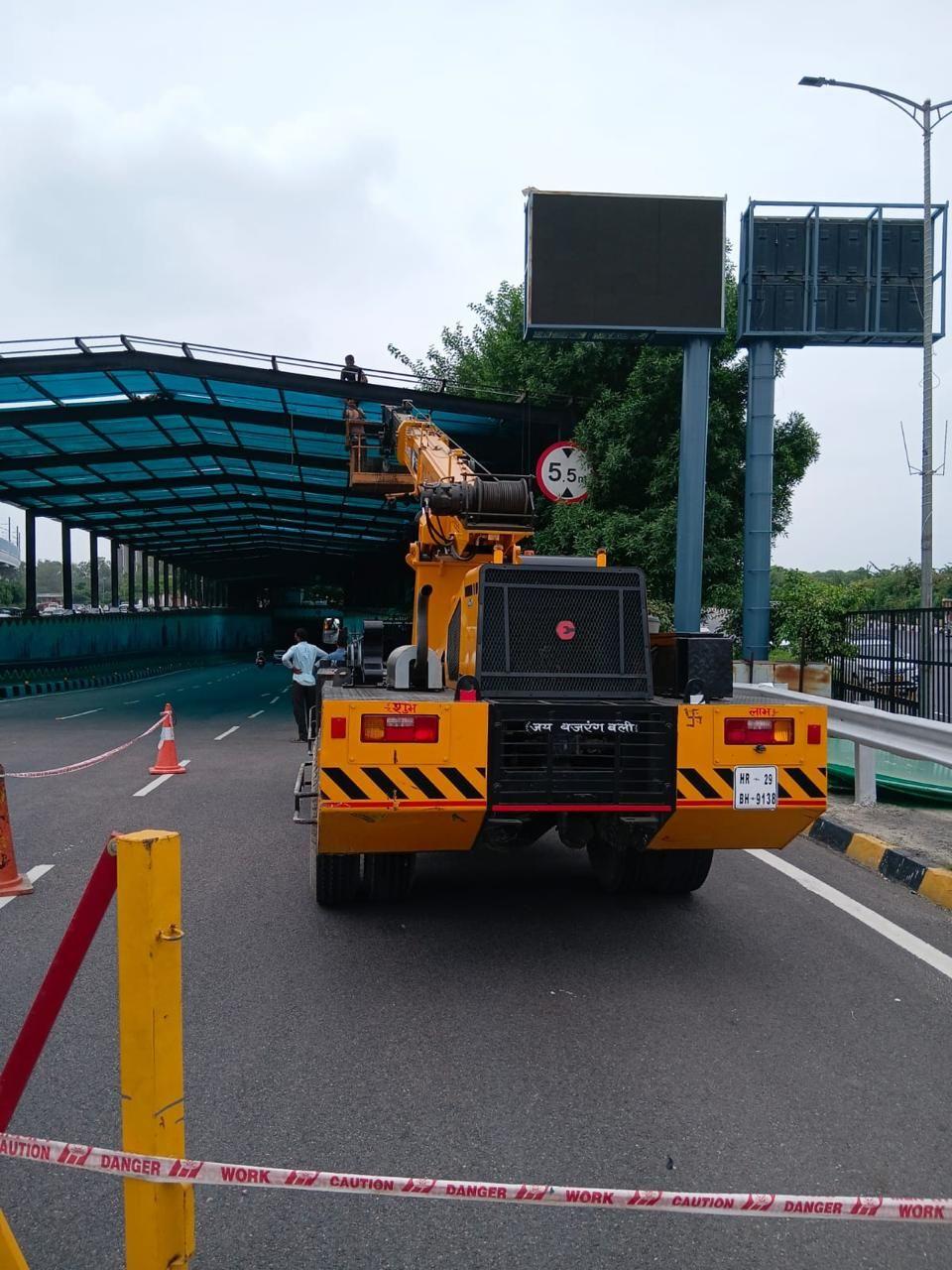
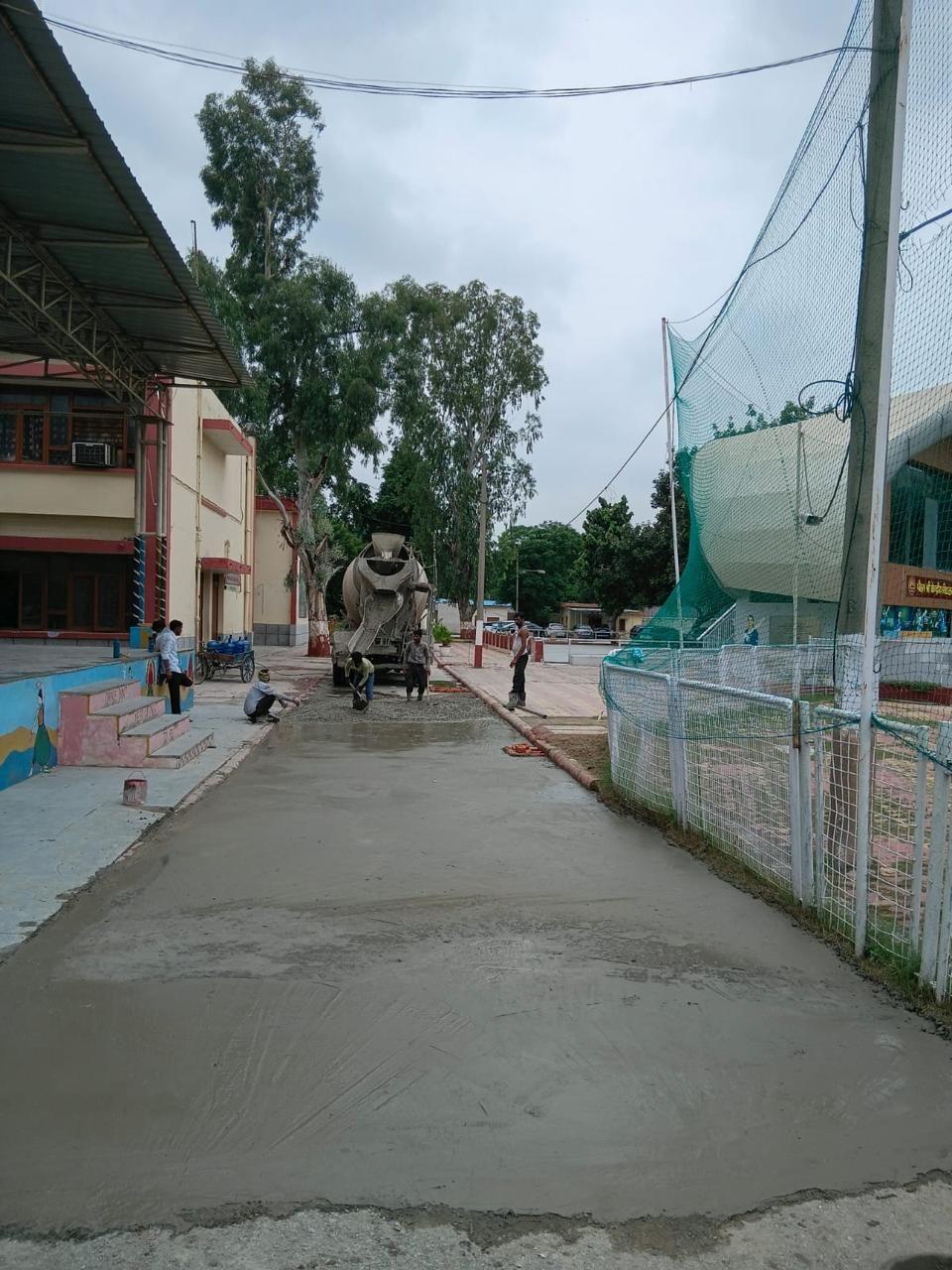
Where Commitment Meets Construction.
Bhawani Constructions
Completed work
Delivered with full compliance
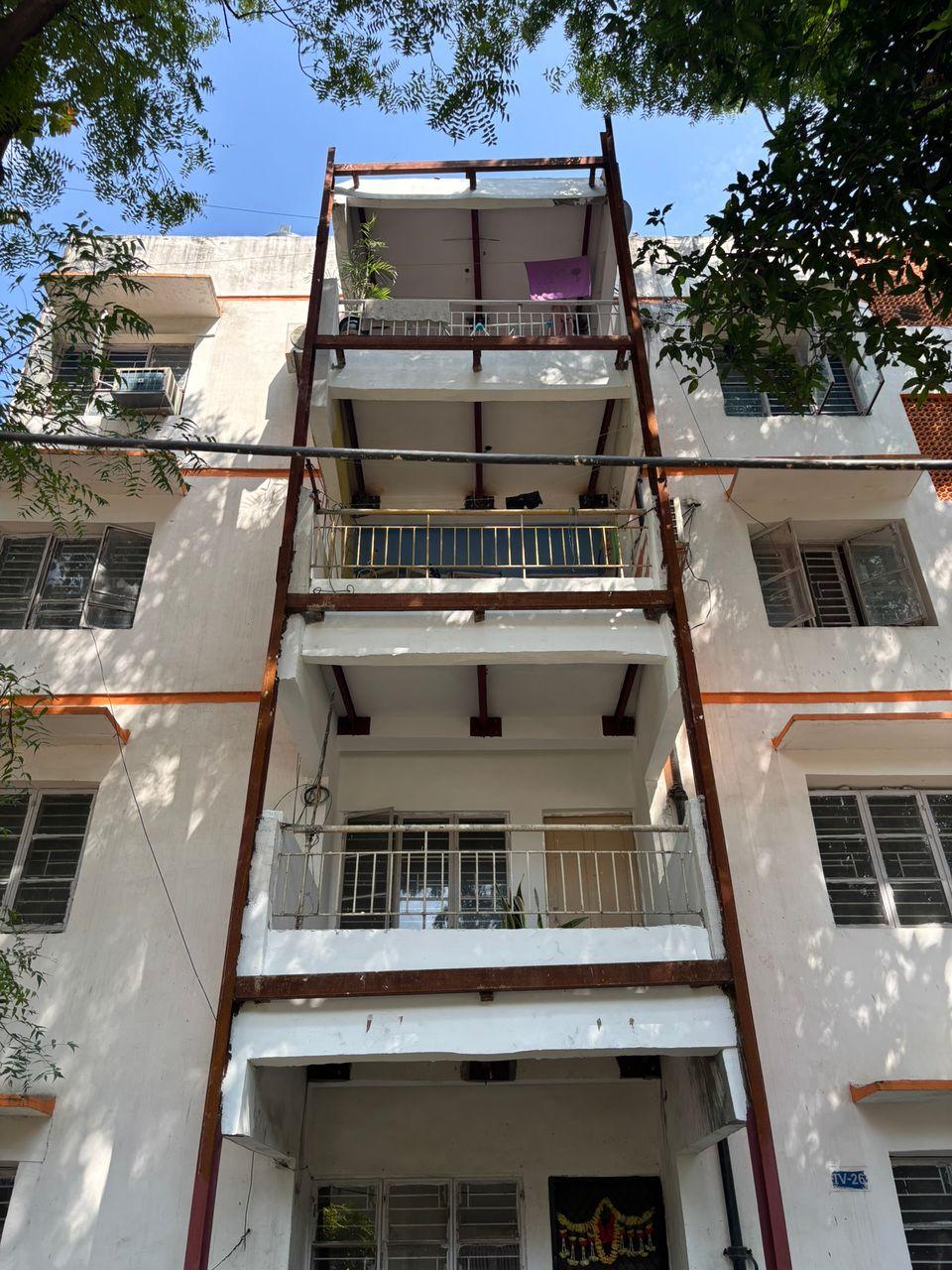
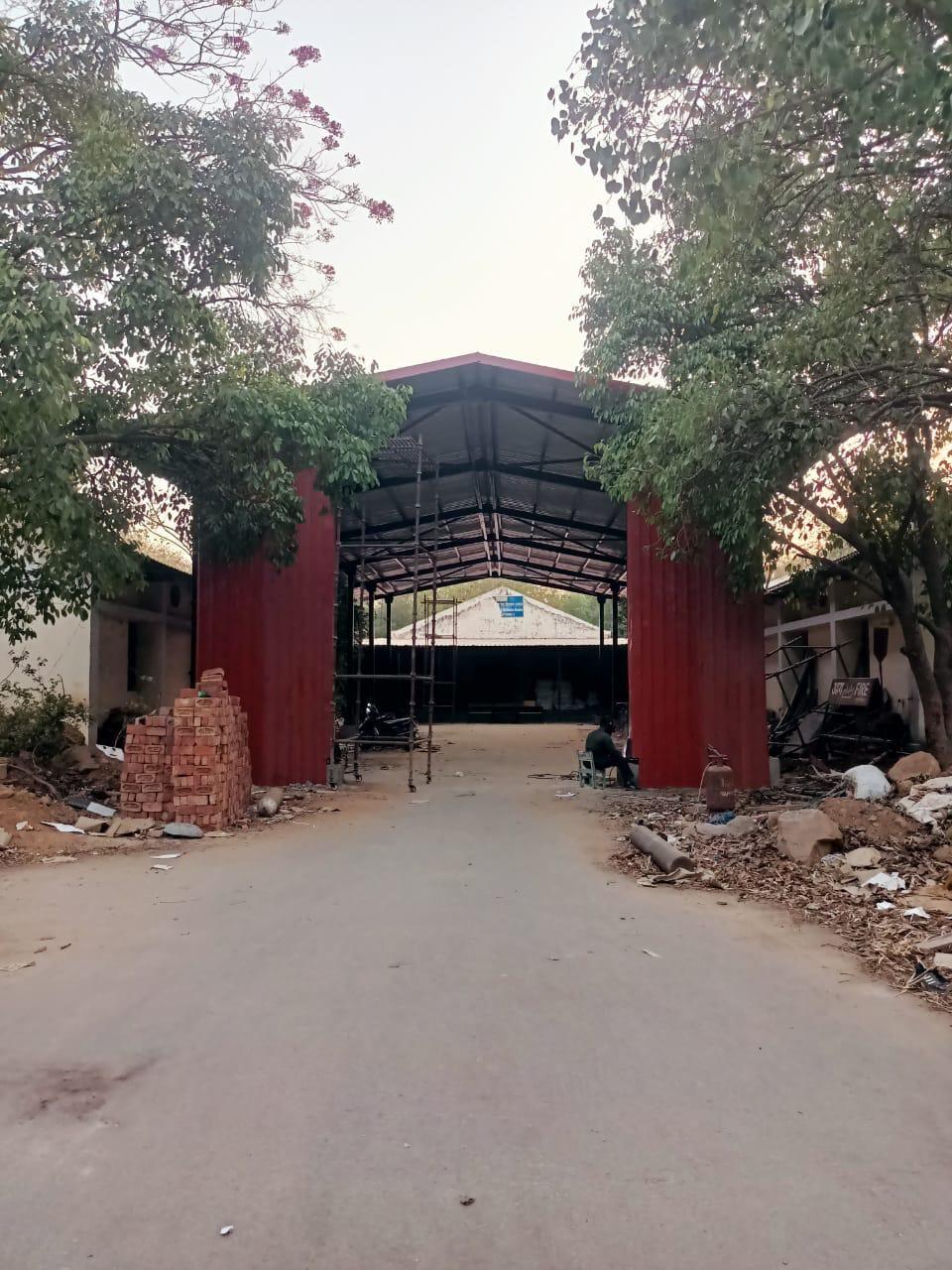
Quick highlights
Experience that speaks for itself
CPWD & PWD Registered Contractor
G20 Summit 2023 Project Experience
Republic Day Celebration 2022 Project Experience
Building & Road Infrastructure Experts
Pan-India Government Project Execution
Let's build something that lasts.
Contact us for collaboration on your next government or infrastructure project.